


Free Tutoring for Low Income Students
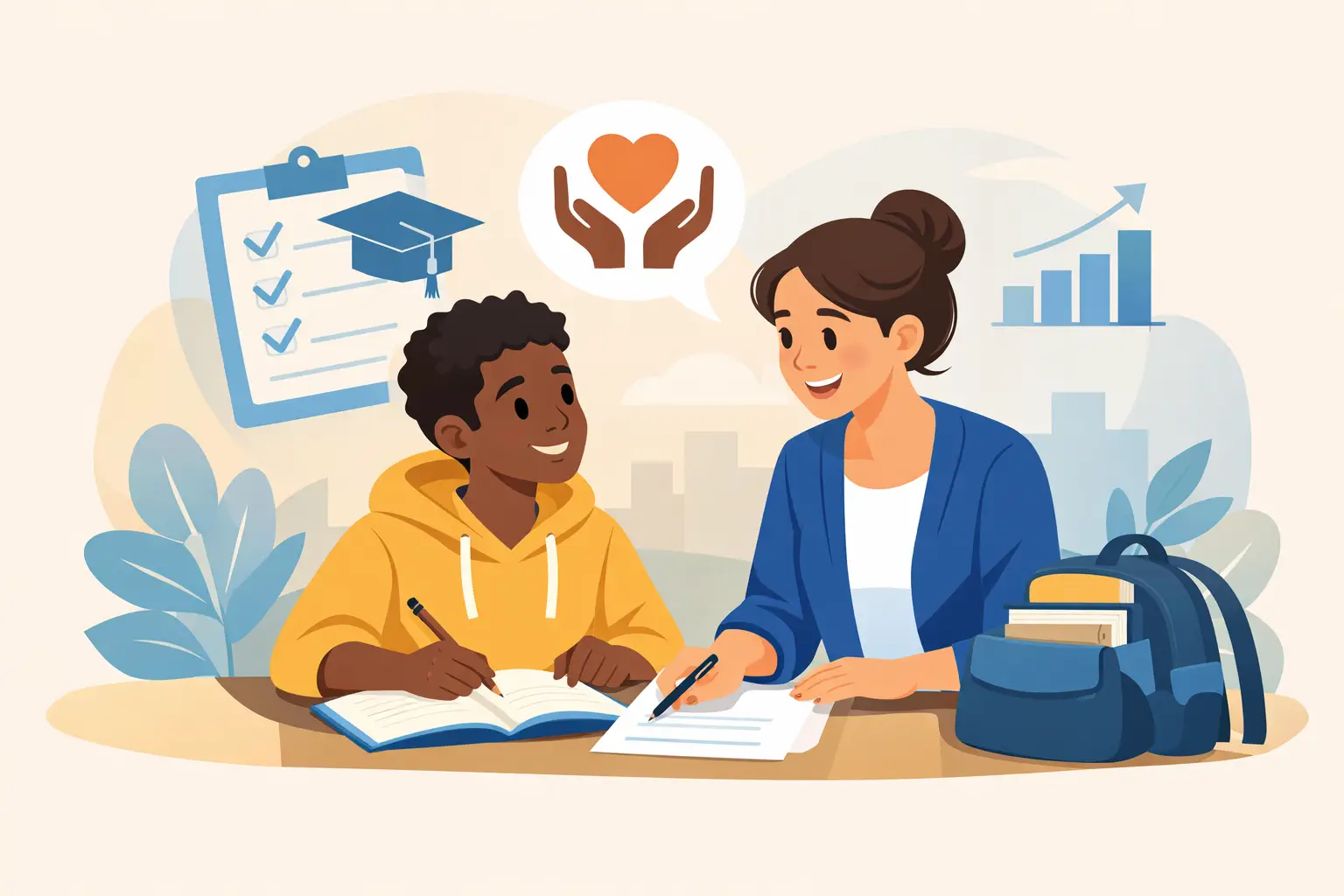
A child can be eager to learn and still fall behind when the basics are missing. Maybe math homework keeps ending in tears. Maybe reading feels harder each week. Maybe a parent is working long hours and simply cannot be at the kitchen table every afternoon. That is why free tutoring for low income students matters so deeply. It is not extra help for a lucky few. It is a lifeline that gives children the support they deserve and families the breathing room they need.
When students receive the right academic support early, the change is often bigger than a report card. A child who starts to understand fractions or read with more confidence usually begins to raise a hand more often, speak up more clearly, and believe they belong in the classroom. That kind of growth can shape how they see school for years to come.
Why free tutoring for low income students matters
Children do not all start from the same place, and pretending otherwise does not help them. Some families have the time, money, transportation, and internet access to add private tutoring when a child struggles. Others are making impossible choices between rent, groceries, uniforms, and gas. In those households, paying for weekly academic support may never be realistic, even when a child needs it most.
That gap can widen quickly in elementary and middle school. A student who misses a key reading skill in third grade may struggle to understand science and social studies later. A student who never feels steady in basic math can lose confidence with every new lesson. Free tutoring helps interrupt that pattern before frustration turns into disengagement.
It also supports the whole family. Parents and caregivers often know their child needs help, but they may feel blamed for not being able to provide it on their own. Community-based tutoring sends a different message. It says: you are not alone, your child is worth investing in, and we can carry this together.
What effective tutoring really looks like
Not all tutoring creates the same results. The best programs do more than sit a student in front of worksheets. They meet children where they are, build trust, and focus on steady progress in the subjects that matter most.
For younger students, that usually means strong attention to reading, writing, and math foundations. In practice, tutoring may involve sounding out words, practicing comprehension, reviewing number sense, or working through homework with patience and encouragement. The tone matters as much as the lesson. Children learn better when they feel safe making mistakes.
Consistency matters too. A single session can help with tonight's assignment, but ongoing support helps rebuild confidence and close real learning gaps. That is one reason nonprofit tutoring programs can be so powerful. They are often designed around relationships, accountability, and access rather than profit.
There is also a practical side that people sometimes overlook. A student who lacks school supplies, a backpack, or even a quiet place to study may struggle no matter how motivated they are. Academic support works best when it recognizes the real barriers families face. Sometimes helping a child succeed in school starts with meeting basic needs alongside tutoring.
How families can find free tutoring support
For parents and caregivers, the search for help can feel overwhelming, especially when school struggles are already causing stress at home. The good news is that support may be available through more places than people realize.
Schools are often a strong starting point. Teachers, counselors, and family resource staff may know about after-school tutoring, literacy support, or district-funded intervention programs. Public libraries can also be valuable community hubs, offering homework help, reading programs, and safe learning spaces.
Nonprofit organizations are another important source of support, especially for families who need tutoring paired with practical resources. Some groups focus only on academics. Others take a broader approach by helping with supplies, uniforms, mentorship, or community events that keep children encouraged and engaged. That wider support can make a major difference for families balancing multiple challenges at once.
It helps to ask a few simple questions before enrolling. Is the tutoring designed for your child's grade level? Does it focus on English, math, or both? Is it offered in person, online, or through a hybrid model? How often do students meet with a tutor? A free program is most helpful when it is also reliable and appropriate for the student's actual needs.
What parents should look for in a tutoring program
A caring tutor can change how a child feels about school, but families should still look closely at how a program works. The first sign of a strong program is respect. Families should feel welcomed, informed, and never judged for needing help.
Clear communication is another good sign. Parents should understand when sessions happen, what students will work on, and how progress is being tracked. A program does not need to be complicated to be effective, but it should be organized.
It is also worth looking for encouragement, not just correction. Children who are already struggling often carry embarrassment into tutoring sessions. If every interaction feels like proof that they are behind, they may shut down. The right tutor builds skills and confidence at the same time.
For many children in kindergarten through eighth grade, the best support is patient, structured, and personal. Some students need help catching up. Others need help staying on track after a difficult school year, family disruption, or change in school placement. It depends on the child. Good tutoring makes room for that reality instead of forcing every student into the same pace.
Why community support makes tutoring possible
Free tutoring does not happen by accident. It exists because people choose to care in practical ways. Donors fund learning materials and student support. Volunteers give time and attention. Community partners open doors for programming, outreach, and family engagement. When those pieces come together, children gain access to opportunities that might otherwise stay out of reach.
That shared effort matters because educational inequality is not an individual family failure. It is a community issue. When a child falls behind because support was too expensive or too hard to access, everyone loses something. When that same child receives tutoring, encouragement, and the tools to keep going, the whole community grows stronger.
This is where mission-driven organizations can make a lasting difference. Programs that combine tutoring with school essentials and community care respond to the real conditions families live with. A child cannot focus fully on multiplication if they are worried about not having what they need for school the next day. Support works best when it is both compassionate and concrete.
Organizations like You're All That Inc. reflect that kind of whole-child commitment by connecting academic help with practical resources and a message children need to hear often: you matter, and your future matters too.
Free tutoring for low income students is about more than grades
Better grades are welcome, of course. But the deeper value of free tutoring for low income students is that it restores possibility. It tells a child who feels stuck that growth is still within reach. It reminds a parent carrying too much that support exists. It gives volunteers, donors, and partners a direct way to stand beside families and make a visible difference.
Education has always been about more than test scores. It is about whether a child believes they can read the book, solve the problem, join the conversation, and imagine a future bigger than their current obstacles. Tutoring helps build that belief one session at a time.
And while free tutoring is essential, it is not magic on its own. Children still need consistency, encouragement, and adults who stay engaged. Some students improve quickly. Others need time. Progress may show up first in attitude, then homework, then grades. That is still progress, and it deserves to be seen.
Every child should have the chance to learn with confidence, ask for help without shame, and walk into school feeling prepared instead of left behind. When communities make room for that kind of support, they do more than help students catch up. They help children move forward with hope.