

Community Outreach Programs for Students
A child can be eager to learn and still fall behind when the basics are missing. Sometimes it is extra help in math. Sometimes it is a backpack, school supplies, or a caring adult who notices when reading starts to feel frustrating instead of exciting. That is why community outreach programs for students matter so deeply. They meet children where they are and bring together the support that helps learning feel possible again.
For families, these programs can be a lifeline. For donors, volunteers, and community partners, they are a practical way to stand in the gap. And for students, especially those in kindergarten through eighth grade, they can change the story from struggling alone to growing with support.
What community outreach programs for students really do
At their best, community outreach programs for students are not one-time gestures. They are ongoing efforts that connect children and families with the resources they need to succeed in school and beyond. That can include tutoring, school supply drives, mentorship, literacy support, family engagement events, scholarships, and partnerships with schools or neighborhood groups.
The strongest programs do more than hand out items or host a single event. They build trust. A child who receives notebooks in August may also need homework help in October and encouragement in February. A parent who attends a community event may later need help finding academic support for a child who is losing confidence in reading. Real outreach pays attention to the full picture.
That is especially true in under-resourced communities, where educational barriers often overlap. A student may need help with multiplication facts, but the challenge may also involve limited access to learning materials, transportation issues, or a lack of quiet study space at home. Outreach works best when it sees the child as a whole person, not just a test score.
Why these programs matter for academic growth
Children learn best when they feel supported, prepared, and seen. When students have access to tutoring, classroom essentials, and positive encouragement, they are more likely to participate in class, complete assignments, and believe they can improve.
Academic progress is not always dramatic at first. Sometimes success looks like a student raising their hand after weeks of staying silent. Sometimes it means finishing homework without tears. Sometimes it is a parent saying their child is no longer afraid of reading out loud. Those moments matter because confidence often comes before measurable gains.
Targeted support in core subjects such as English and math can be especially powerful. These subjects shape how students perform across the rest of their school day. When reading comprehension improves, a child can better understand science and social studies too. When math skills become stronger, problem-solving becomes less intimidating. Community programs that focus on these foundations often create benefits that spread well beyond one worksheet or one report card.
Community outreach programs for students work best when they are practical
Good intentions are not enough. The most effective outreach programs are designed around what families actually need, not what looks impressive on paper.
That practical mindset might mean offering tutoring after school when parents are still at work. It might mean providing uniforms and backpacks before the school year begins so children can start with dignity and readiness. It might mean creating events where families feel welcomed instead of judged. When outreach is accessible, participation grows.
There is also a difference between temporary help and meaningful support. A single donation drive can meet an immediate need, and that has value. But if a child continues to struggle academically, short-term help will only go so far. Sustainable programs create a rhythm of support through regular tutoring, volunteer involvement, parent communication, and follow-through over time.
This is where community-based organizations often make a real difference. They are close enough to listen, adjust, and respond. They know that what works in one neighborhood may not work in another. They understand that families are more likely to engage when support feels personal and respectful.
What families should look for in a student outreach program
Not every program serves students in the same way, and that is not necessarily a problem. Some focus on academics. Others center on enrichment, supplies, or mentoring. The right fit depends on the child.
For parents and caregivers, it helps to ask a few simple questions. Does the program address your child’s actual needs? Is there consistent communication? Are volunteers or tutors prepared to work with young learners in a patient, age-appropriate way? Does the program create a safe, encouraging environment?
It also helps to look for signs of consistency. Children benefit when support is dependable. A student who is already facing instability at school or at home needs programs that show up regularly and keep their promises. Trust grows through reliability.
Families should also pay attention to whether a program respects their role. Outreach should not replace parents and caregivers. It should come alongside them. The most encouraging programs make families feel like partners in a shared effort to help children thrive.
How communities can build stronger support for students
A student’s success should never rest on one person alone. It takes families, educators, neighbors, donors, volunteers, and local organizations working together.
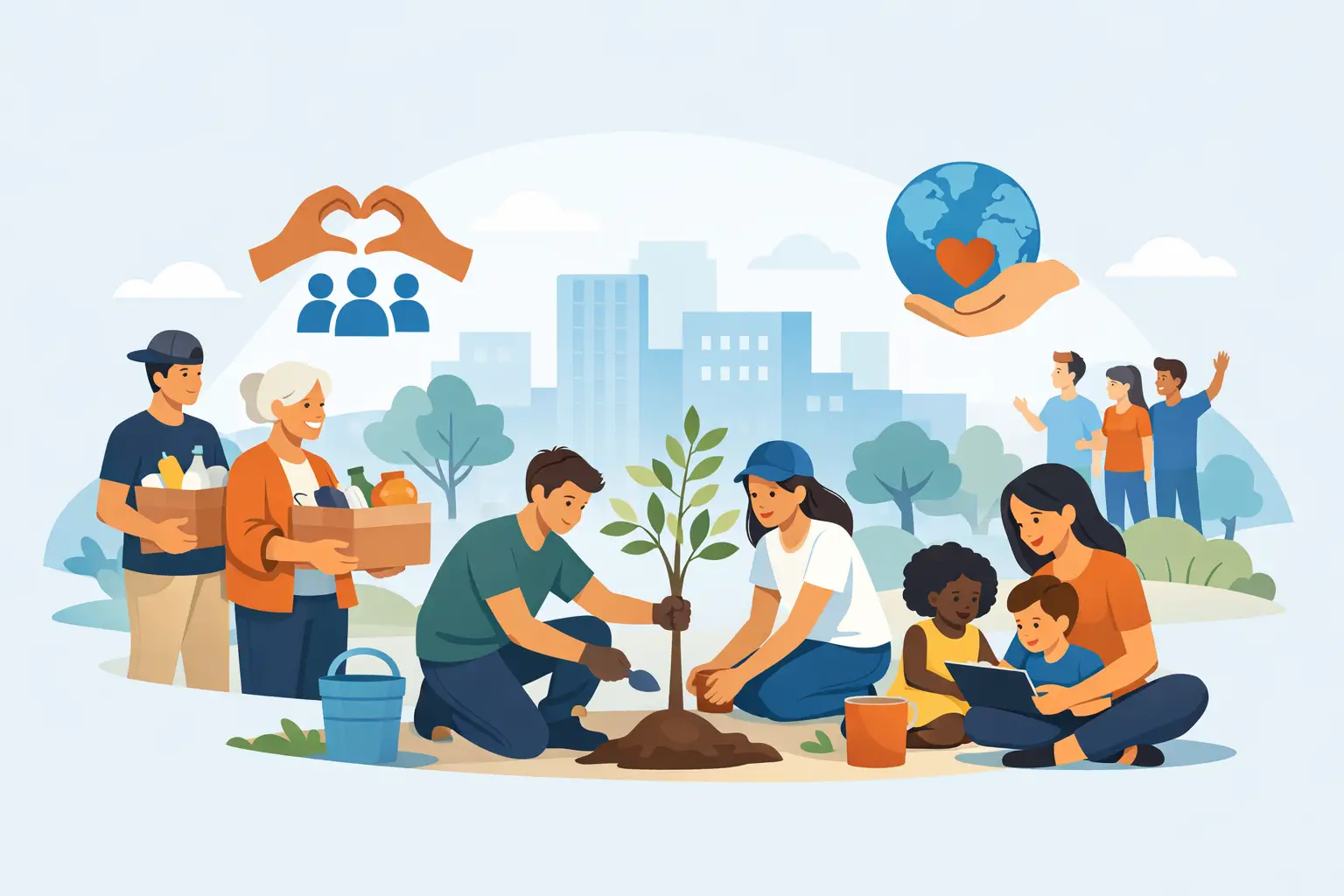
That collective effort can take many forms. A retired teacher may volunteer to tutor early readers. A local business may sponsor backpacks or school uniforms. A church, community center, or nonprofit may host homework help sessions or literacy nights. A donor may fund scholarships or classroom resources. Each role matters, even when it seems small.
Still, collaboration works best when it is organized around real goals. Communities should ask where the biggest gaps are. Is the need academic intervention in English and math? Is it access to supplies? Is it stronger parent engagement? Once the need is clear, support can be more focused and more effective.
There are trade-offs to consider. Broad programs may reach more families, but specialized programs often offer deeper impact. A large back-to-school event can serve many children in one day, while weekly tutoring may help fewer students at a time with more lasting results. Neither approach is wrong. It depends on the community’s capacity and the needs of local families.
Why confidence belongs in the conversation
Academic support is essential, but children also need hope. A student who believes they are "bad at school" may stop trying long before their potential is reached. That is why encouragement is not extra. It is part of the work.
Community outreach can help rebuild a child’s sense of identity as a learner. When students hear that they are capable, valued, and worth investing in, it changes how they approach challenges. They begin to see growth as possible.
This is one reason mission-driven organizations can have such a lasting impact. They do not only respond to academic gaps. They remind children that education is their right and that their future matters. That message can stay with a student long after a tutoring session ends.
Organizations such as You're All That Inc. reflect this kind of whole-child support by connecting tutoring, school essentials, and community encouragement in ways that help students feel both equipped and believed in.
A stronger future starts close to home
When people hear the phrase community outreach, they sometimes picture a separate project on the edges of education. In reality, outreach is often what makes education reachable. It fills the space between what a child needs and what a family can access on their own.
For some students, that support is the reason they stay on grade level. For others, it is the reason they stop feeling invisible. And for a community, it is a reminder that helping children learn is not somebody else’s job. It belongs to all of us.
Every tutoring session, every donated backpack, every hour volunteered, and every encouraging word can help move a child forward. When a community decides that students deserve both academic support and practical care, children feel the difference. They walk into school more prepared, more confident, and more ready to learn.
The most meaningful outreach does not ask whether one small action can solve everything. It asks what we can do today, together, to make learning easier, fairer, and more hopeful for the next child who needs us.