
8 Top School Readiness Habits for Kids
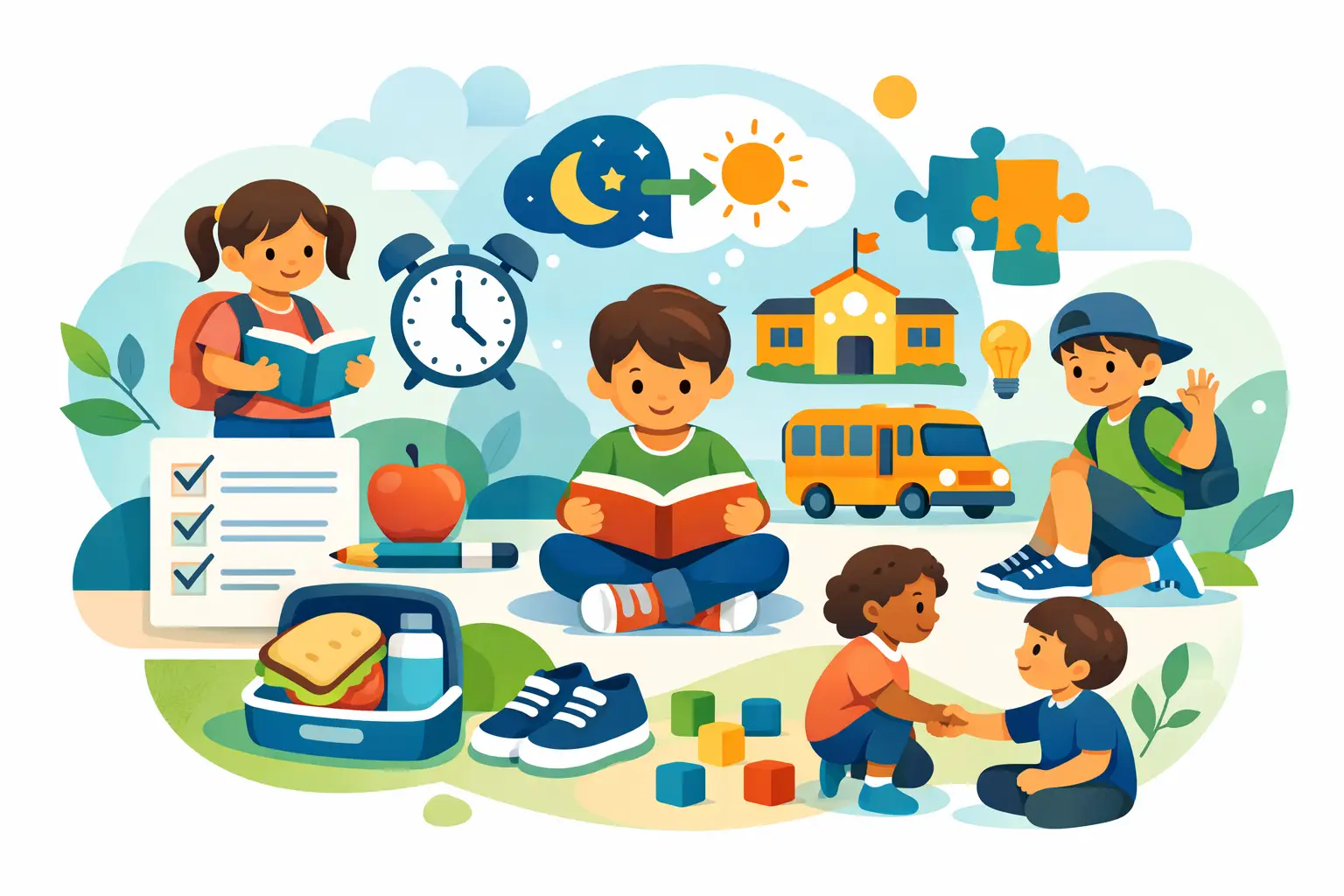
The night before school starts can feel big for a child. A backpack by the door, clothes laid out, pencils sharpened - and still, a lot of families are wondering the same thing: what actually helps children walk into class ready to learn? The truth is, the top school readiness habits for kids are not about perfection. They are about steady routines, growing confidence, and giving children the support they need to feel prepared, safe, and capable.
For many families, school readiness is talked about like a checklist. Can your child recognize letters? Can they count? Can they sit still? Those skills matter, but readiness is bigger than academics alone. Children do better when they can follow a simple routine, ask for help, manage small frustrations, and believe they belong in the classroom. That is where everyday habits make a real difference.
Why school readiness starts at home
A child does not need a picture-perfect home life to build strong learning habits. They need consistency where they can get it. A regular bedtime, a place to keep school supplies, a few minutes of conversation after school, and encouragement during hard moments can all shape how a child shows up in class.
This matters even more for children facing barriers outside the classroom. When a child is worried about having the right supplies, clean clothes for school, or enough support with reading and math, confidence can drop before the first bell rings. Readiness habits help create stability. They tell a child, in small ways, you are supported, and your education matters.
Top school readiness habits for kids that truly help
1. Keeping a predictable sleep and wake routine
Children learn better when they are rested. That sounds simple, but it is one of the most overlooked habits. A consistent bedtime and wake-up time helps with attention, mood, memory, and self-control.
The goal is not a rigid schedule that causes stress. It is a rhythm the child can count on. If bedtime has been all over the place during school breaks, start adjusting in small steps. Even moving bedtime earlier by 15 minutes every few days can help.
For younger children especially, a short bedtime routine works well - bath, pajamas, story, lights out. The order matters as much as the activities. Predictability helps the brain settle.
2. Practicing simple morning independence
School mornings often tell the story of how the day will begin. Children do not need to do everything alone, but they benefit from handling a few age-appropriate tasks on their own. Putting on shoes, packing a folder, washing hands, and carrying their backpack all build confidence.
This habit is not about rushing children into independence before they are ready. It is about giving them practice. A child who knows, "First I get dressed, then I eat breakfast, then I grab my bag," walks into school with a little more ownership over the day.
If mornings are hard, prepare the night before. Set out clothes, place school items by the door, and keep the routine visible with pictures or simple words.
3. Building the habit of listening and following directions
One of the most valuable readiness skills is being able to hear a direction and act on it. In school, children are asked to transition, line up, clean up, and begin tasks all day long.
You can practice this at home without turning the house into a classroom. Use short directions during ordinary moments: "Please put your book on the table and wash your hands." Games also help. Songs with motions, cleanup races, and simple call-and-response routines teach children to listen, remember, and respond.
Some children need more repetition than others. That does not mean they are not ready. It means they may learn best with visual reminders, eye contact, or one direction at a time.
4. Talking, reading, and asking questions every day
Language is at the center of learning. Children build school readiness when they hear rich vocabulary, tell stories, ask questions, and spend time with books. This does not require expensive materials or long lessons. A 10-minute read-aloud, a conversation in the car, or naming items in the grocery store all count.
Reading together supports more than literacy. It helps children learn how stories work, how to pay attention, and how to connect words with meaning. Conversation matters just as much. Ask open questions like, "What was your favorite part of today?" or "What do you think will happen next?"
If a child is still developing strong reading or speech skills, that is not a reason to pull back. It is a reason to lean in with patience. Daily exposure adds up.
When academics matter - and when pressure backfires
Families often feel pressure to make sure a child knows letters, numbers, shapes, and colors before school begins. Those early skills are helpful, especially in reading and math. But too much pressure can turn learning into stress.
The better approach is short, encouraging practice. Count snacks. Spot letters on signs. Compare which pile has more. Write the child’s name together. Keep it practical and connected to real life.
A child who feels ashamed for not knowing something may stop trying. A child who feels supported is more likely to stay engaged. That difference matters.
More top school readiness habits for kids that build confidence
5. Learning how to ask for help
Many children struggle in silence because they think asking questions means they are doing something wrong. One of the healthiest habits a child can build is learning to say, "I need help," "Can you show me again?" or "I do not understand yet."
That word yet is powerful. It reminds children that learning takes time. At home, adults can model this by responding calmly when a child is stuck. Instead of jumping straight to the answer, try, "Let’s figure it out together." That keeps help from feeling like failure.
6. Practicing patience and emotional regulation
School asks a lot from children. They have to wait their turn, handle correction, share attention, and recover from mistakes. These are not small demands. Emotional readiness often shapes school success as much as academic skill.
Habits that support regulation can be simple. Take deep breaths before homework. Use words for feelings. Practice short waiting periods. Praise effort when a child keeps going through frustration.
Some children need more support here, especially after stress or instability. That is not a character flaw. It is a signal that they may need steady adults, clear expectations, and extra grace.
7. Taking care of basic school materials
Children feel more ready when they know where their things are and how to use them. Keeping track of a folder, placing homework in a backpack, and putting crayons away may seem minor, but these routines reduce confusion and build responsibility.
This is also where access matters. A child cannot build supply habits without the supplies they need. Backpacks, notebooks, uniforms, and pencils are not extras. They are part of the foundation. When communities help meet those practical needs, children are better positioned to focus on learning instead of what they are missing.
8. Ending the day with a check-in
One of the strongest school readiness habits is reflection. A brief check-in after school or before bed helps children process what they learned, what felt hard, and what they need next.
This does not need to be formal. Ask what went well, what felt tricky, and what they want to try tomorrow. These conversations build trust. They also help adults spot problems early, whether the issue is academic, social, or emotional.
For families balancing work, transportation, and many responsibilities, even five focused minutes can matter. Children remember when someone asks and truly listens.
What if a child is behind?
Many caregivers worry that their child is already starting from behind. That fear is real, especially when families have seen interrupted learning, limited resources, or a child struggling in reading or math. But school readiness is not a fixed label. It can be strengthened with support, practice, and encouragement.
Some children need extra help with phonics. Others need tutoring in math. Others need stable routines before academic gains can take hold. It depends on the child. The key is to respond early and with compassion, not blame.
This is why community support matters so much. When families, educators, volunteers, and organizations work together, children do not have to carry every challenge alone. At You're All That Inc., we believe every child deserves both the academic support and the practical tools that make learning possible.
School readiness grows one habit at a time. A calmer morning, a shared book, a practiced bedtime, a child learning to ask for help - these may look small from the outside, but they can change how a student feels when they walk into class. And when a child feels prepared, encouraged, and seen, school becomes more than a place to attend. It becomes a place where they can begin to believe in their future.