


How to Become a Classroom Volunteer and Help Kids
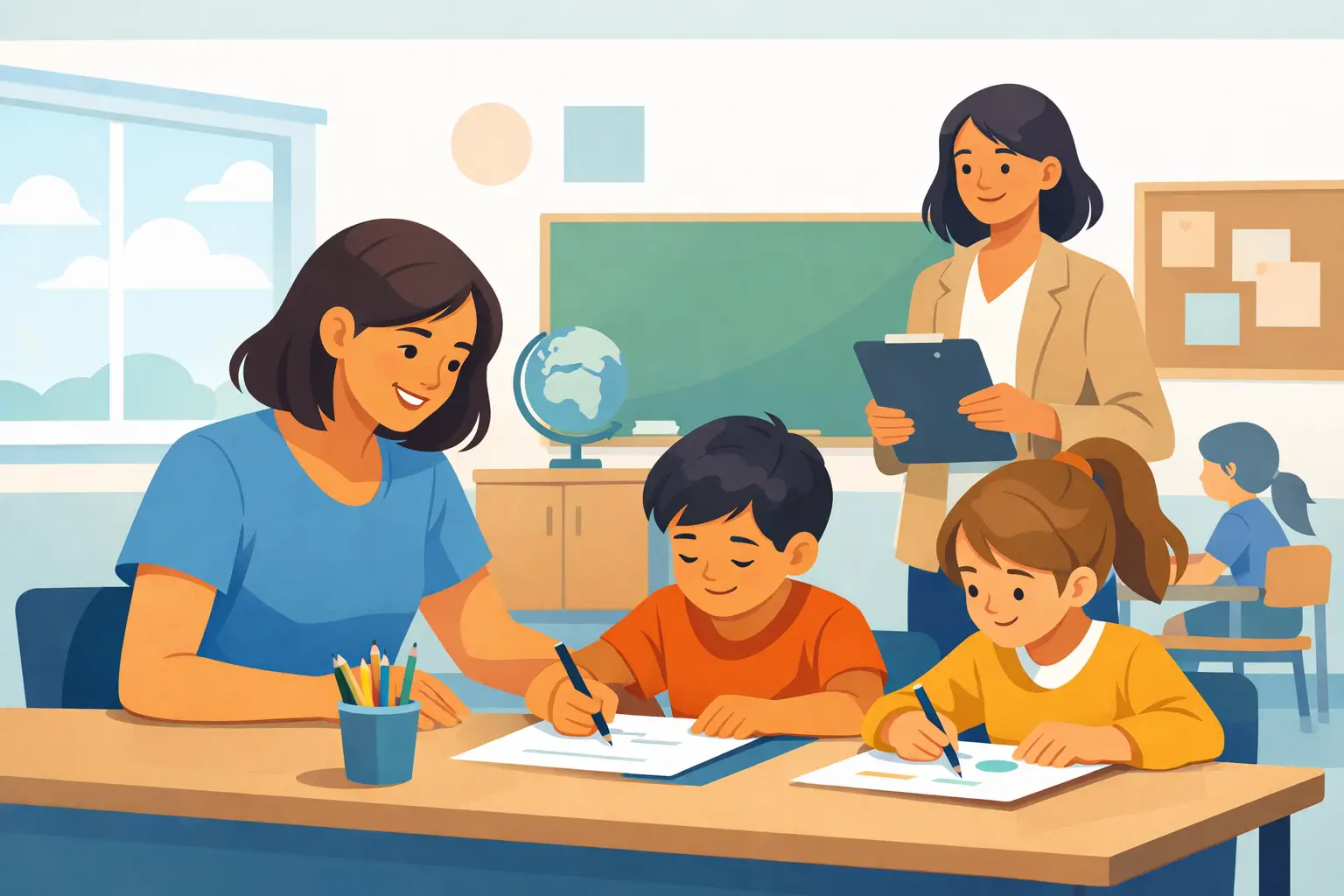
A child who hesitates to read aloud, struggles to finish a math worksheet, or feels lost during a busy transition may not need another lecture. They may need a caring adult nearby who says, “Let’s try this together.” If you are wondering how to become classroom volunteer, that willingness to show up with patience and respect is the most valuable place to begin.
Classroom volunteers help make schools feel more personal, encouraging, and responsive. You do not have to be a certified teacher to make a difference. You do need to understand the school’s process, honor the teacher’s leadership, and commit to supporting every child with dignity.
How to Become a Classroom Volunteer
Start with the school or district where you hope to serve. Many elementary and middle schools have a volunteer coordinator, front office contact, parent organization, or online application process. Call or email the school office and ask how community members can volunteer in classrooms. Be clear about the ages or subjects you feel most comfortable supporting, but remain open to where help is needed most.
Some schools welcome volunteers only during certain times of year or for specific activities. Others need ongoing help with reading groups, math practice, classroom organization, field trips, library time, arrival, or special events. A school with many volunteers may have a waitlist, while another may be eager for dependable adults who can serve once a week. The right opportunity depends on the school’s needs and your availability.
After you express interest, expect a screening process. Schools have a responsibility to protect students, so requirements commonly include an application, photo identification, background check, references, a brief orientation, and a confidentiality agreement. District policies vary, and some checks can take several weeks. Complete every form promptly and honestly, then follow up politely if you have not heard back within the expected timeframe.
If you are a parent or caregiver, ask whether the process is the same for family volunteers. It often is. Schools must apply safety standards consistently, even when a volunteer already knows many students. This is not a barrier to your generosity. It is one way a school creates a safe, trusted space for every family.
Choose a commitment you can keep
A predictable schedule is often more helpful than a big promise that is hard to maintain. Before you apply, think realistically about transportation, work hours, child care, health needs, and other responsibilities. Can you give one hour every Tuesday morning? Can you help twice a month with a small reading group? Can you be available for a single career day or school supply event?
Teachers plan around reliable support. If you need to cancel, notify the teacher or volunteer coordinator as early as possible. Consistency helps children build trust, especially students who benefit from extra practice and encouragement. Even a modest commitment can become meaningful when students know you will be there.
What Classroom Volunteers Actually Do
The best volunteer role is not always the most visible one. Your support may allow a teacher to spend focused time with a student who needs help while the rest of the class stays engaged. You might listen to children read, practice multiplication facts, prepare learning materials, supervise a center, sort take-home folders, or assist during a class project.
In a tutoring-style role, your job is usually to reinforce the teacher’s instruction, not introduce a different lesson plan. Ask what the class is working on and what language or method the teacher wants you to use. For example, if students are learning to sound out words in a particular way, follow that approach. If a child gets stuck on a math problem, guide their thinking with questions rather than rushing to provide the answer.
A few encouraging phrases can change the tone of a learning moment: “Show me what you tried first.” “You do not have to get it right immediately.” “Let’s break it into smaller steps.” Praise effort, strategy, and progress instead of labeling a child as smart or not smart. Students need room to learn without feeling judged.
Some classrooms may need help beyond academics. A volunteer can support routines, read quietly with a child who needs a calm reset, help students find materials, or offer kind attention during a school event. Still, volunteers should never take on discipline, counseling, medical care, or responsibilities assigned to trained school staff. When a situation feels serious or uncertain, bring it to the teacher right away.
Learn the Boundaries That Protect Students
Warmth and clear boundaries belong together. During orientation, pay close attention to the rules around sign-in procedures, visitor badges, phone use, photography, restroom access, physical contact, and one-on-one interactions. These policies protect children, families, staff, and volunteers.
Keep student information private. A child’s reading level, behavior, family situation, disability, or academic challenges are not stories to share with friends or on social media. Do not post student photos, names, classroom details, or school locations unless the school has given explicit permission through its established process. Children deserve support without having their personal experiences turned into public content.
It also helps to recognize that each classroom includes children with different strengths, cultures, home languages, learning needs, and life circumstances. Avoid assumptions about why a student is behind, quiet, distracted, or absent. Lead with curiosity and respect. A simple question to the teacher such as, “What is the best way for me to support this group?” can help you serve with greater care.
Build a Strong Partnership With the Teacher
Teachers carry an enormous responsibility. A classroom volunteer should reduce pressure, not create another task for an already busy educator. Arrive on time, sign in, follow directions, and ask for a specific assignment when you arrive. If there is downtime, offer to prepare materials or ask whether there is a useful task you can complete quietly.
Communication matters, but keep it focused. Before beginning, ask the teacher what success looks like for your role. At the end of a session, share brief observations that may be useful, such as a student who found a new reading strategy helpful or a group that needed extra time with a concept. Do not diagnose children or make promises to families about academic outcomes.
Remember that teachers know their students and curriculum deeply. You may bring professional skills, life experience, or a love of a particular subject, but the teacher remains the instructional leader. The most effective volunteers bring both confidence and humility.
Bring what children need most: encouragement
Not every child has consistent access to extra academic support, quiet study space, books, technology, or school supplies. For many students, a volunteer’s presence says something powerful: your learning matters, and someone is willing to invest time in you.
That message is especially meaningful when paired with practical help. A volunteer who practices reading fluency, helps organize backpacks, supports a family literacy night, or assists with a back-to-school distribution contributes to both readiness and confidence. Education grows stronger when academic support and everyday essentials meet in the same caring community.
At You're All That Inc., we believe every child has the right to learn and deserves adults who champion that right. Volunteering in a classroom is one direct way to turn that belief into action. It connects community members with the small, steady moments that help students feel capable.
If a Classroom Role Is Not Available Yet
Do not let a full volunteer roster stop your desire to serve. Ask whether the school needs help with tutoring programs, after-school activities, family events, supply drives, reading initiatives, or mentoring. You can also ask to be contacted when a classroom opening becomes available.
Some schools limit in-class volunteers because of space, scheduling, or student privacy needs. Respect that decision. There are many ways to stand beside educators and children without being in a classroom every week. What matters is finding a role that is useful, safe, and sustainable.
A classroom volunteer may spend only a few hours each month at school, but those hours can stay with a child long after the bell rings. Show up prepared, listen closely, and let every student know that their questions, effort, and future are worth your time.