


Online Tutoring Versus In Person for Kids
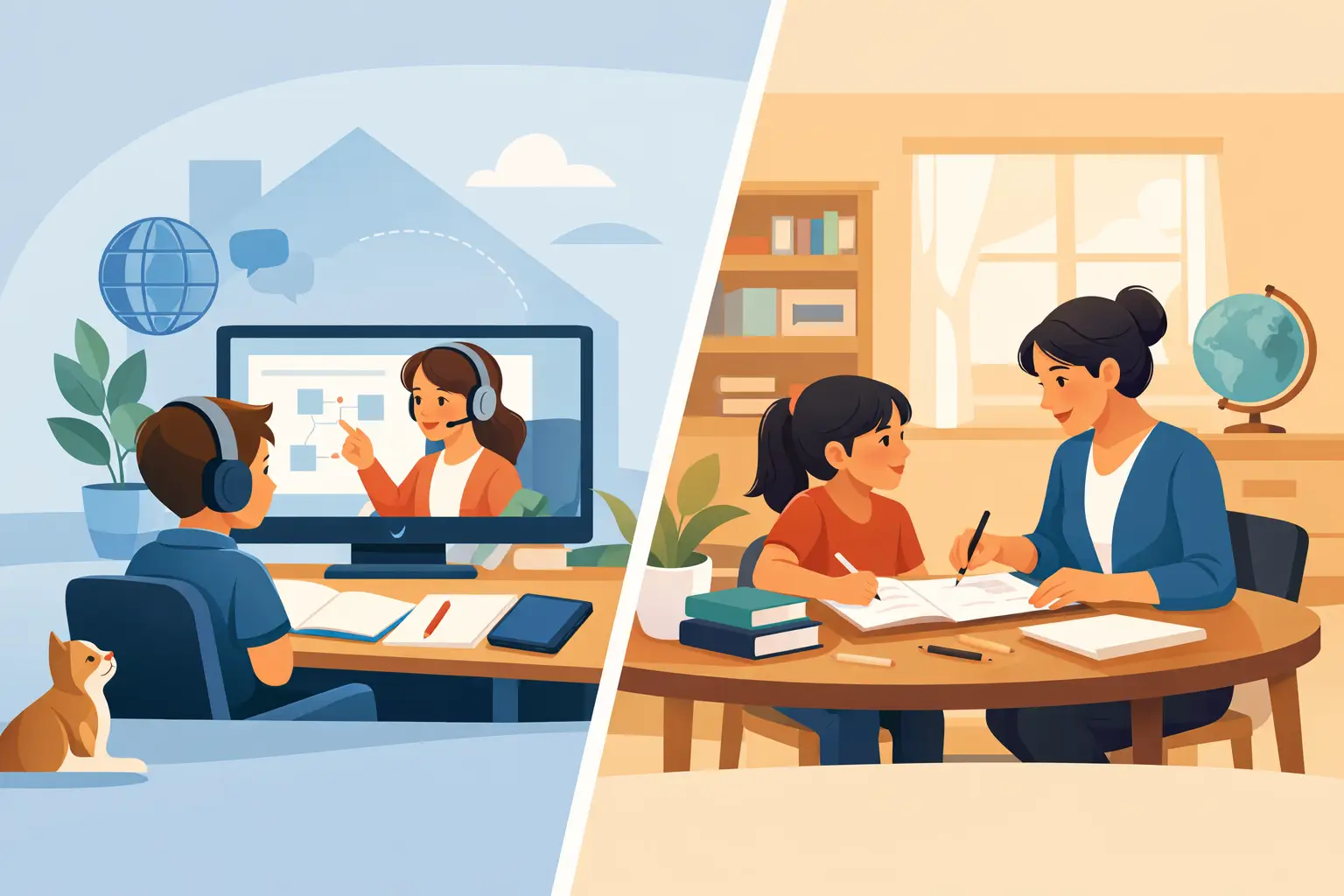
A child who avoids reading aloud, freezes at a math worksheet, or says, “I’m just not good at school,” does not need a one-size-fits-all answer. They need support that meets them where they are. When families weigh online tutoring versus in person, the better choice is rarely about which format is more modern or more convenient. It is about which setting helps a child feel seen, practice consistently, and believe they can improve.
For children in kindergarten through eighth grade, especially those who have faced barriers to academic support, the right tutoring relationship can change more than a grade. It can help rebuild confidence, strengthen routines, and remind a student that asking for help is a sign of courage.
Online Tutoring Versus In Person: Start With the Child
Online and in-person tutoring can both be meaningful forms of academic support. A caring tutor, clear goals, regular practice, and encouragement matter in either setting. The question is not whether one format wins for every family. The question is what will allow this particular child to show up, engage, and keep going.
Some students are energized by learning on a screen. They may appreciate working from home, using digital whiteboards, or meeting with a tutor without needing a ride across town. Online sessions can also create access for families in communities where specialized tutors, flexible schedules, or transportation are limited.
Other students need the physical presence of a tutor. Sitting beside a trusted adult, pointing to a sentence in a book, sorting math manipulatives, or receiving a quiet reminder to refocus can make learning feel more real and less intimidating. This is often especially helpful for younger learners and students who struggle to stay engaged through a device.
The format should serve the child, not the other way around.
When Online Tutoring Can Be a Strong Fit
Online tutoring can remove obstacles that too often keep children from getting help. A family with a demanding work schedule may find it easier to join a session from home in the evening. A student who lives far from a tutoring site may be able to receive consistent support without transportation costs or long travel times. For a child who feels anxious in unfamiliar spaces, learning in a familiar room can lower the pressure enough for participation to begin.
Digital tutoring can also work well for students who enjoy technology and can manage short, focused conversations on a screen. Tutors may use shared documents for writing, interactive tools for math practice, and visual examples that keep a lesson moving. A student who is embarrassed to raise a hand in a group setting may feel safer asking questions one-on-one online.
Still, access is more than having an internet connection. Families need a reliable device, stable service, and a reasonably quiet place to learn. A child sharing a phone with siblings, working in a crowded room, or dealing with frequent connection problems may miss the very consistency tutoring is meant to provide. For online tutoring to be equitable, those practical needs must be part of the conversation.
What helps online sessions work
The strongest online sessions are structured but personal. Younger students may need a caregiver nearby to help them log in, stay on task, and celebrate progress. Shorter sessions with clear breaks can be more effective than asking a child to concentrate on a screen for too long.
Families should also look for tutors who pause often, ask students to explain their thinking, and make room for relationship-building. A screen should never become a wall between a child and encouragement.
When In-Person Tutoring May Make a Bigger Difference
In-person tutoring offers something powerful: shared space and undivided attention. A tutor can notice when a student is hesitating, confused, tired, or proud before the child finds the words to say it. They can adjust a lesson in the moment, pull out a different activity, and give immediate reassurance.
For early readers, in-person support can be especially valuable. A tutor can listen closely to sounds, point to words, and use books, letter tiles, and drawing to make learning active. In math, students who find numbers abstract may benefit from counting objects, moving fraction pieces, or writing each step with a tutor nearby.
In-person sessions can also give children a dependable learning routine outside of school. Arriving at a library, community center, or tutoring space can signal, “This is time set aside for me and my goals.” For some students, that structure builds focus and pride.
The trade-off is that in-person tutoring requires transportation, safe meeting locations, and schedules that work for both families and tutors. Those barriers are real. A high-quality option that a family cannot reliably reach is not truly accessible support.
Relationship matters more than location
A child may learn in a kitchen, a library, a community center, or through a laptop. What they remember is whether an adult was patient when they got stuck and enthusiastic when they tried again. The best tutors do not simply correct answers. They help students understand that mistakes are part of learning.
That relationship is particularly meaningful for children who have begun to believe school success belongs to someone else. Consistent encouragement can replace that message with a stronger one: “You belong here. You can learn this. We will keep working together.”
How Families Can Make the Choice
Begin with a few honest observations. Does your child focus better with hands-on activities or digital tools? Are they comfortable speaking on video? Do they have a quiet space and dependable internet? Would travel make sessions stressful, or would leaving home help them concentrate?
Next, think about the learning goal. A student who needs help organizing an essay, practicing multiplication facts, or reviewing homework may thrive online with the right tutor. A child who is developing foundational reading skills, has difficulty regulating attention, or needs more hands-on guidance may benefit from in-person sessions. These are not fixed rules. They are starting points.
It also helps to ask what the tutor will do when a child is confused. Will sessions follow a clear plan? Will the tutor communicate progress with caregivers? Will they celebrate growth, even when it comes in small steps? The answers matter more than polished promises about a platform or location.
If possible, give the chosen format time to work. One awkward first session does not always mean tutoring is a poor fit. Children often need a few meetings to build trust. At the same time, families should feel free to reassess if a child repeatedly disengages, becomes discouraged, or is not receiving the support they need.
Access Is Part of Academic Success
The conversation about tutoring cannot stop at learning style. Many children need support that includes practical resources: a dependable backpack, school supplies, a safe place to study, or an adult who can help a caregiver understand school expectations. Academic progress is harder when basic educational needs go unmet.
That is why community support matters. At You’re All That Inc., we believe every child has the right to learn and deserves caring people in their corner. Tutoring, school essentials, volunteers, families, educators, donors, and community partners all have a role in helping students move forward.
For families, choosing between online and in-person tutoring is an act of advocacy. For supporters, helping make both options available is an act of educational equity. Not every child will need the same path, but every child deserves a path that is within reach.
The most helpful next step may be simple: ask your child when they feel most comfortable learning, then listen closely. That answer can be the beginning of support that builds skills today and hope for every school day ahead.