


Why Math Is So Important to Learn at a Younger Age
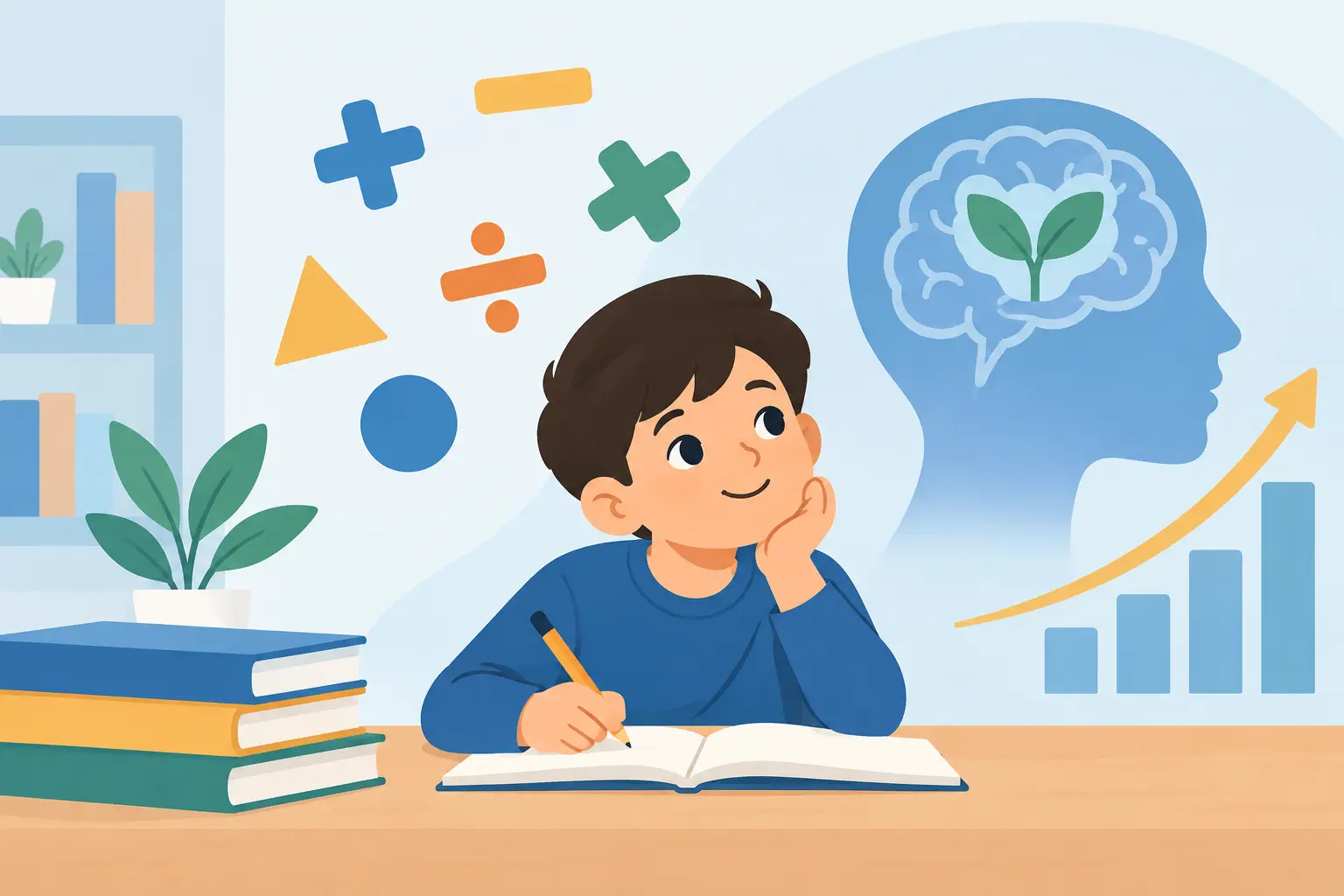
A child who can confidently count the change at a corner store, divide snacks fairly among friends, or spot a pattern in a favorite song is doing more than solving a math problem. They are learning to trust their own thinking. That is why math is so important to learn at a younger age: early experiences with numbers can shape how children approach school, challenges, and their own potential for years to come.
For many families, math can become stressful before a child even reaches middle school. A missed building block in kindergarten or first grade can make later lessons feel confusing, and confusion can quickly become the belief that a child is “just not good at math.” Every child deserves a different message: math is learnable, support is available, and progress counts.
Why Math Is So Important to Learn at a Younger Age
Early math is not about rushing children into advanced worksheets or expecting them to memorize facts before they are ready. It is about helping them make sense of the world. Young children naturally notice quantity, size, shape, rhythm, and order. When adults encourage that curiosity, children begin building the foundation for future learning.
A child who understands that five blocks are more than three, for example, is beginning to grasp quantity. A child who sorts socks by color or notices that a calendar repeats the same seven-day pattern is practicing mathematical thinking. These everyday moments may seem small, but they give children a familiar starting point when formal math lessons begin.
Research and classroom experience consistently show that early number sense supports later achievement. Children who enter school with a growing comfort around counting, comparing, and recognizing patterns are often better prepared to understand addition, subtraction, measurement, and problem-solving. The benefit is not only higher test scores. It is a stronger belief that learning is something they can do.
Math Builds Skills Beyond the Classroom
Math helps children develop habits that matter in every subject and in everyday life. When students work through a problem, they practice paying attention, trying different strategies, and checking their work. They learn that getting stuck is not the end of the process. It is often where the learning begins.
These habits carry into reading, science, writing, and future career choices. A student who learns to break a word problem into smaller parts is also practicing how to organize a writing assignment or follow directions in a science experiment. A child who notices a mistake and tries again is building resilience.
Math also gives children practical independence. As they grow, they will use math to manage time, understand prices, compare options, follow a recipe, save money, and make informed decisions. Those skills should not be reserved for children whose families can afford extra academic support. They are essential life tools, and every student has a right to develop them.
Confidence Changes the Learning Experience
The emotional side of math matters just as much as the academic side. Many adults can remember being embarrassed by an incorrect answer or feeling pressured to solve a problem quickly in front of classmates. Children absorb those moments. When math becomes connected to fear or shame, they may avoid participating even when they have good ideas.
Supportive instruction changes that experience. Instead of asking only, “What is the answer?” caring adults can ask, “How did you think about it?” This shows children that their process matters. It creates room for mistakes, questions, and creative strategies.
Praise should focus on effort and growth, not on labels. Telling a child, “You kept trying until you found a new way,” is more helpful than saying, “You are so smart.” The first message teaches persistence. It reminds them that ability can grow through practice, guidance, and time.
Early Support Can Prevent Bigger Gaps
Math skills build on one another. If a student does not fully understand counting or place value, multiplication may become harder. If fractions are confusing, later work with ratios, percentages, and algebra can feel overwhelming. This does not mean a child who struggles early is destined to struggle forever. It means early support can make a powerful difference.
Families and educators do not need to wait for a report card or a major setback. A child who avoids homework, guesses at answers, becomes frustrated with number facts, or says they are bad at math may be asking for help in the only way they know how. Consistent tutoring, patient encouragement, and lessons matched to the child’s current level can rebuild missing skills before discouragement takes root.
The right support also respects the fact that children learn differently. Some students understand best when they can move objects and see the problem in front of them. Others benefit from drawing pictures, saying their thinking out loud, or connecting numbers to real-life situations. There is no single best method for every child. What matters is meeting students where they are and helping them take the next step.
Simple Ways Families Can Make Math Feel Possible
Math practice does not have to feel like extra school at the kitchen table. The strongest early lessons are often woven into daily routines. Ask a child to count apples while putting groceries away, compare prices at the store, or help measure ingredients while cooking. Let them estimate how many minutes it will take to get ready for school, then check the clock together.
Games can help too. Card games, board games, puzzles, building activities, and even clapping patterns can strengthen number sense without turning every moment into a lesson. The goal is not perfection. The goal is to help children see numbers as useful, understandable, and connected to their lives.
When homework is difficult, begin with calm curiosity. Ask your child to explain what they already know, then focus on one small part of the problem. If frustration rises, take a short break and come back. A positive learning environment will not solve every challenge immediately, but it can keep a challenge from becoming a barrier.
A Community Responsibility, Not a Family Burden
A child’s access to math support should never depend only on a parent’s schedule, income, or comfort with the subject. Many caregivers are working long hours, managing transportation challenges, or supporting several children at once. They should not have to carry the full responsibility alone.
That is where communities can step forward. Tutors can offer patient, individualized attention. Volunteers can encourage students who need another trusted adult in their corner. Donors can help provide school supplies, learning materials, and programs that remove barriers to participation. Educators and community partners can help identify children who need support before they fall further behind.
At You’re All That Inc., we believe academic help and practical support belong together. A child learns best when they have both the encouragement to ask for help and the tools they need to show up ready to learn. A backpack, a quiet tutoring space, a caring mentor, and a lesson that finally makes sense can all become part of the same turning point.
What Children Need to Hear About Math
Children do not need adults to pretend math is always easy. They need adults who are honest that some problems take time and who stay beside them while they learn. They need to hear that mistakes are information, not proof that they cannot succeed. They need opportunities to celebrate progress that may be invisible to everyone else, such as raising a hand for the first time or solving a problem they once avoided.
When we invest in early math learning, we are investing in more than numbers. We are helping children develop confidence, independence, and the courage to keep going when something feels hard. A young learner who believes, “I can figure this out,” carries that belief far beyond the classroom. Every encouraging word, tutoring session, donated supply, and shared moment of patience can help that belief grow.