

Can Volunteers Tutor Minors? A Safe Path Forward
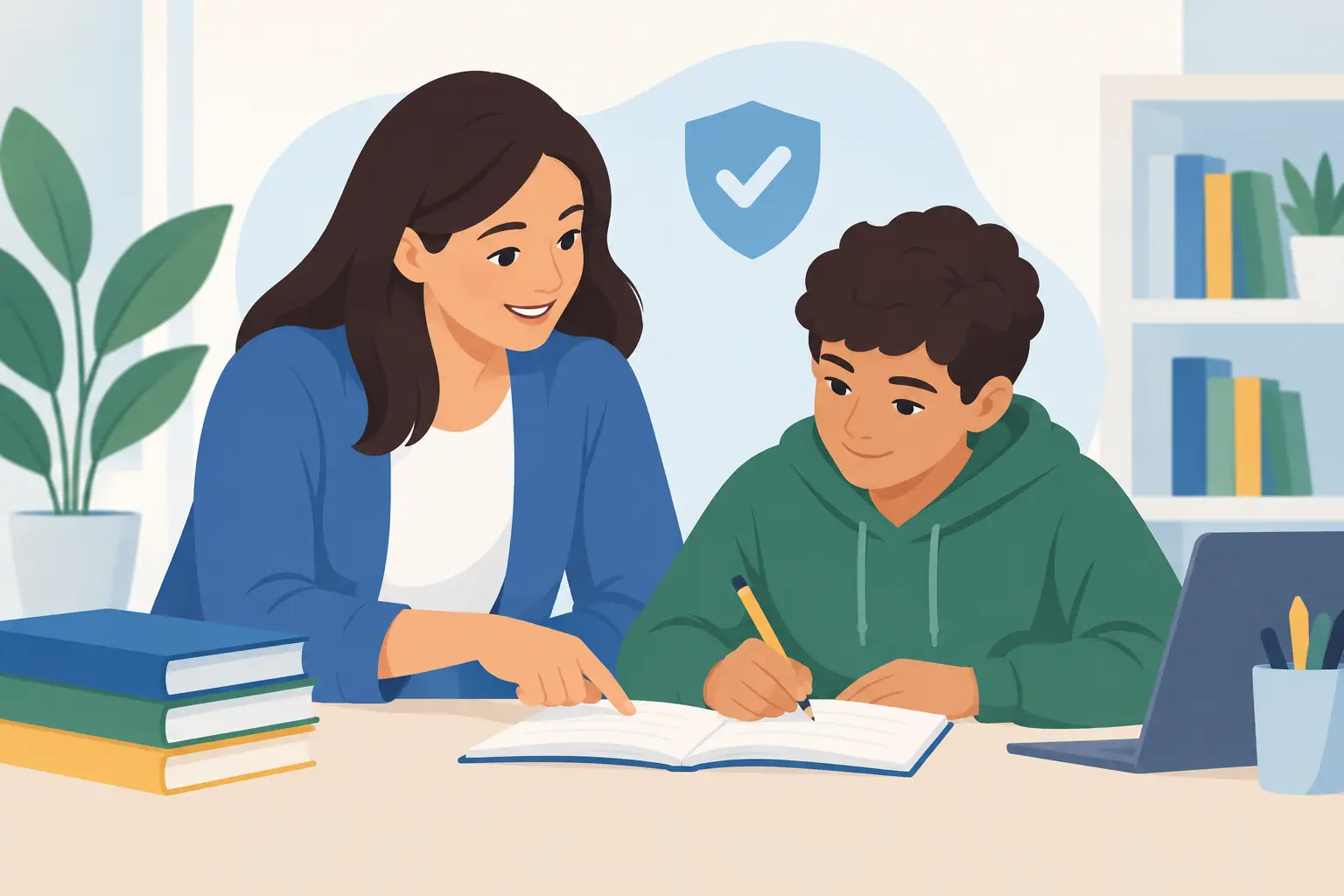
A child who is falling behind in reading or math does not just need more worksheets. They need a patient adult who can say, “Let’s try that again,” and mean it. So, can volunteers tutor minors? Yes, volunteers can often provide valuable tutoring to children, but responsible programs must build safety, trust, and clear accountability into every interaction.
For families, volunteers, schools, and community groups, the question is not only whether tutoring is allowed. It is whether the program protects children while giving them the consistent encouragement they deserve. When the right safeguards are in place, volunteer tutoring can strengthen skills, confidence, and a child’s belief that they belong in the classroom.
Can Volunteers Tutor Minors Safely?
In most communities, volunteers may tutor minors through schools, nonprofits, faith-based programs, libraries, and community organizations. There is no single federal rule that governs every volunteer tutoring relationship. Requirements can vary by state, school district, setting, funding source, and the type of contact a volunteer has with children.
That means a caring adult should not simply begin meeting one-on-one with a child because both parties have good intentions. A structured program matters. It provides parent or guardian permission, clear expectations, appropriate screening, training, supervision, and a way to report concerns.
These protections are not barriers to service. They are part of what makes service meaningful. Children and families deserve support that feels welcoming and dependable, not informal or uncertain.
The Safeguards That Put Children First
A safe tutoring program starts before the first lesson. Organizations should use an application process that helps them understand who is volunteering, why they want to serve, and whether they are prepared to work with young people. Background checks are commonly used, especially when volunteers will have recurring or one-on-one contact with minors. Depending on local requirements and organizational policy, this may include criminal history checks and reference checks.
A background check is one layer of protection, not a complete safety plan. Programs should also set strong boundaries around how tutoring happens. For example, sessions may take place in visible, approved spaces such as a school classroom, library room, community center, or monitored virtual platform. Programs should avoid isolated settings and should have clear rules about arrival, departure, communication, and adult supervision.
Parent or guardian consent is equally important. Families should know who will be tutoring their child, where and when sessions will occur, how the program communicates, and whom to contact if they have a concern. Consent forms should be written in clear language, with translation or interpretation available when needed.
Training gives volunteers the confidence to help without overstepping their role. A volunteer tutor does not need to be a certified teacher to make a difference, but they should understand child safety policies, confidentiality, respectful communication, and the procedures for raising concerns. They should also know that tutoring is about academic support, not discipline, therapy, or private mentoring outside program boundaries.
Why Clear Boundaries Help Everyone
Children learn best when adults are consistent. Clear boundaries help create that consistency. They protect students, reassure families, and help volunteers focus on what they came to do: encourage learning.
Programs should establish guidelines for communication. Volunteers generally should not privately message a child through personal social media accounts or exchange personal phone numbers without program-approved procedures and parent awareness. Communication about scheduling, assignments, or progress should happen through approved channels and include the appropriate adults whenever possible.
Transportation requires special care. A volunteer driving a child alone can create unnecessary risk, even when the volunteer is trusted and the intention is helpful. Many programs prohibit it or require specific authorization, insurance verification, and safety procedures. Whenever possible, tutoring should be scheduled where families can arrange transportation or where the organization has an approved plan.
Physical contact policies should also be clear, age-appropriate, and respectful. A high-five after solving a tough math problem may be welcome in a supervised setting, but every child has different comfort levels. Volunteers should follow program policy, respect personal space, and never pressure a child to interact in ways that make them uncomfortable.
Online Tutoring Needs Its Own Safety Plan
Virtual tutoring can reach students who might otherwise miss out on support, especially families with transportation challenges or limited local services. It can also create new responsibilities.
Online sessions should use an organization-approved platform whenever possible. Parents or guardians should know when sessions are scheduled and how they can access information about the session. Programs may choose to keep virtual meetings visible to a coordinator, record sessions when lawful and properly disclosed, or require another adult to be nearby. The best approach depends on the program, privacy rules, and family needs, but the goal remains the same: no child should be placed in an unmonitored or unclear situation.
Volunteers should avoid recording, photographing, or sharing student work unless the organization has written permission and a clear purpose. A child’s grades, learning needs, home life, and personal story are not content for social media. Respecting privacy is one of the simplest ways to show children that their dignity matters.
What Volunteers Should Know Before Saying Yes
Great tutors bring patience, preparation, and humility. They listen before they lead. A child may be quiet because they are shy, frustrated because school has felt difficult, or distracted because life outside the classroom is complicated. Volunteers do not need to solve every problem. They need to show up with kindness, keep promises, and help students take the next academic step.
Before beginning, volunteers should ask what subject support is needed, what curriculum or assignments the student is working on, and what goals the family or teacher has identified. A second grader practicing sight words needs a different approach than an eighth grader preparing for algebra. The most helpful tutoring is individualized, encouraging, and connected to what the child is already learning.
Volunteers should also understand reporting responsibilities. In many states, certain professionals are mandated reporters of suspected child abuse or neglect. Volunteer obligations can differ depending on state law and the setting. Even when a volunteer is not legally classified as a mandated reporter, every program should have a clear process for reporting concerns immediately to a designated staff member or child protection authority. Volunteers should never investigate allegations themselves or promise a child that they can keep a safety concern secret.
What Families Can Expect From a Responsible Program
Parents and caregivers have every right to ask questions before enrolling a child in volunteer tutoring. A trustworthy program welcomes those questions. Families should be able to learn about screening practices, supervision, session locations, communication policies, and how the program responds if a concern arises.
Families should also be treated as partners in a child’s education. Tutors can share encouragement and general progress through approved channels, while parents offer insight into what motivates their child and where they may need extra support. When adults work together, children receive a stronger message: your learning matters, and you do not have to face challenges alone.
At You're All That Inc., that shared commitment is at the heart of educational support. Tutoring in English and math can help close academic gaps, but it also gives children something just as powerful: evidence that their community sees their potential.
Turning Good Intentions Into Lasting Impact
Volunteer tutoring is not a substitute for qualified teachers, school services, or specialized intervention when a child needs them. It is a caring complement. A volunteer can reinforce a classroom lesson, read alongside a student, practice multiplication facts, celebrate steady progress, and help make school feel less overwhelming.
The strongest programs do not ask volunteers to be heroes. They ask them to be reliable. One prepared adult meeting a child in a safe, structured setting week after week can change how that child sees learning. Progress may begin with a completed assignment or a better quiz score, but it often grows into confidence that reaches far beyond the tutoring table.
If you are considering volunteering, look for a program that takes child safety as seriously as academic success. If you are a parent, ask the questions that help you feel informed and respected. And if you are building a community program, remember that every policy, training session, and check-in sends children a powerful message: you are worth protecting, supporting, and cheering on.