

Education Donations That Change a Child’s Day
A child can be ready to learn and still arrive at school without the tools, support, or confidence to fully participate. Education donations help close that gap. They turn concern into practical support: a backpack that carries schoolwork, a tutoring session that makes fractions feel possible, or a scholarship that keeps a promising student connected to opportunity.
For children in kindergarten through eighth grade, small barriers can become heavy ones when they go unanswered. A missing uniform, an empty supply list, or a lesson that never quite clicks can affect attendance, confidence, and progress. When a community chooses to invest in students, it sends a clear message: you belong here, your education matters, and you do not have to face the challenge alone.
What Education Donations Make Possible
The most meaningful gifts meet students where they are. Some children need focused help in English or math after falling behind. Others need the everyday essentials that allow them to walk into class prepared and proud. Many need both.
Tutoring is especially powerful because it gives students time, patience, and personal attention. In a busy classroom, a child may hesitate to raise a hand or may need concepts explained in a different way. One-on-one or small-group support can create the space to ask questions, practice skills, and experience the confidence that comes from understanding something that once felt out of reach.
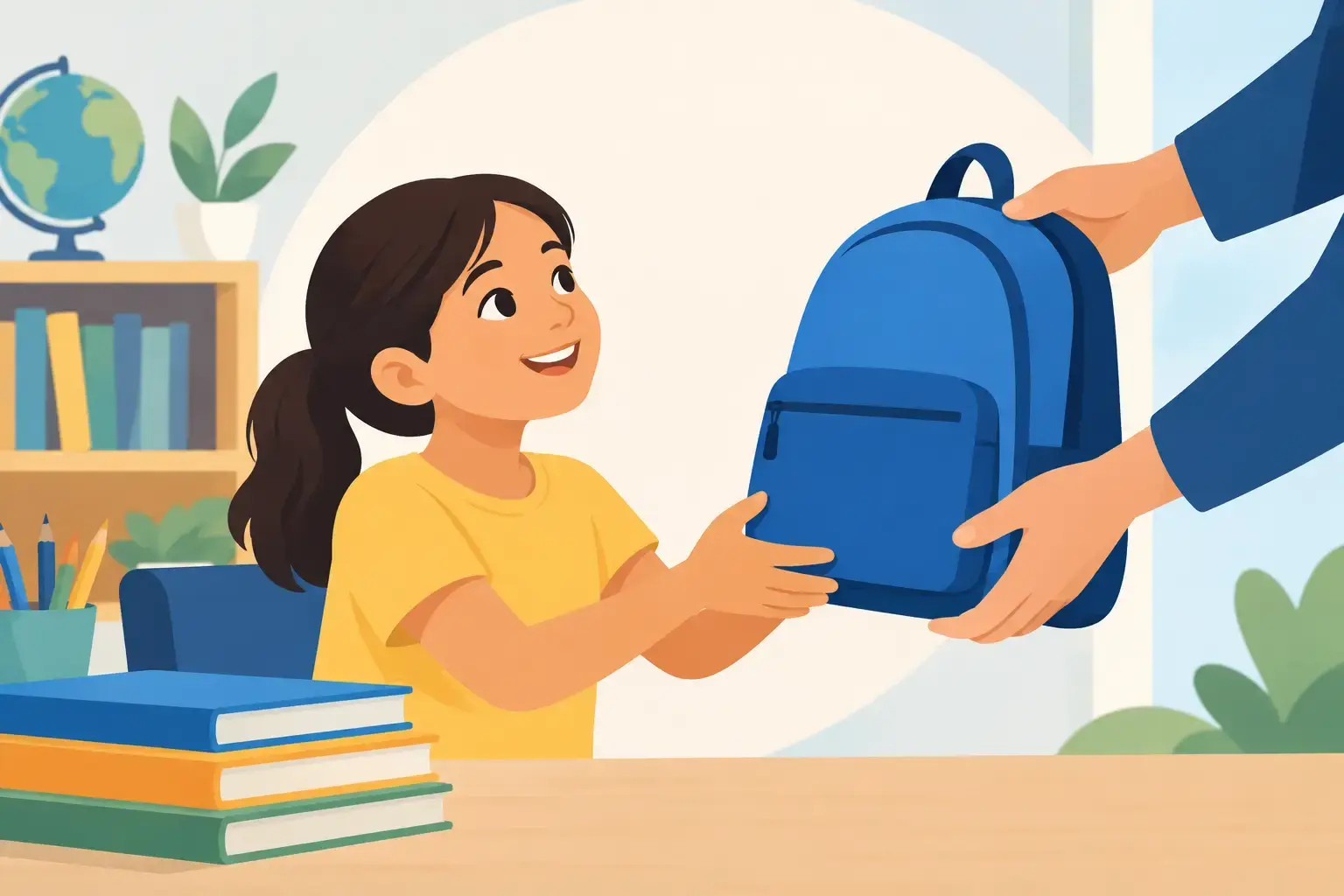
School supplies matter for the same reason. Pencils, notebooks, backpacks, calculators, uniforms, and books may seem ordinary, but they remove distractions that can keep a child from engaging in the school day. A student should not have to worry about whether they have what they need to complete an assignment or fit in with classmates.
Education donations can also support scholarships, learning activities, family outreach, and community events that make education feel encouraging rather than intimidating. The strongest programs connect academic progress with a sense of belonging. Children learn more freely when they know adults are cheering for them.
Why Consistent Support Matters More Than a One-Time Gift
Back-to-school giving has an immediate and visible impact, but students need support long after the first day of class. Reading difficulties do not disappear when a backpack is distributed. A child who lacks confidence in math may need steady encouragement across a semester. Families navigating financial pressure may need help at several points during the school year.
That is why recurring support can be so meaningful. A monthly gift helps nonprofit programs plan tutoring sessions, replenish supplies, prepare for seasonal needs, and respond when families need help most. It gives organizations more than funding. It gives them the ability to make dependable commitments to children.
One-time donations remain valuable, particularly when they support a specific need such as a supply drive, a school event, or emergency assistance. The choice depends on a donor’s capacity. What matters is giving thoughtfully and recognizing that every contribution can become part of a longer story of growth.
For a student, progress is rarely one dramatic moment. It is built through repeated experiences: finishing a reading passage, getting help with homework, receiving positive feedback, showing up with the right supplies, and realizing that someone believes in their future.
How to Give With Purpose
A meaningful donation begins with a simple question: what will help a child participate and progress right now? Donors often feel most connected to a cause when they can see the practical difference their support makes.
Consider whether your gift can help provide academic intervention, educational essentials, or both. Funding tutoring in core subjects can strengthen the skills students use every day. Supporting backpacks, uniforms, and supplies can reduce the access barriers that make learning harder. Contributions that allow organizations to direct funds where needs are most urgent can be equally important, since community needs can shift throughout the year.
It also helps to look for organizations that communicate clearly about the children and communities they serve. Trusted education-focused nonprofits should make their mission understandable, welcome questions, and show how supporters can participate beyond a single transaction. A strong community effort creates room for donors, parents, volunteers, educators, and local partners to bring their strengths together.
At You're All That Inc., that shared commitment includes academic support, school essentials, and encouragement that helps children see themselves as capable learners. The goal is not simply to help students get through a school year. It is to help them build the skills and belief they can carry forward.
Education Donations Build Confidence, Not Just Resources
The impact of giving is often measured in supplies distributed or tutoring hours provided. Those measures matter, but they do not tell the whole story. Behind every number is a child deciding whether to keep trying.
A student who receives help with multiplication may raise their hand for the first time in weeks. A child with a new uniform may feel less anxious about walking into school. A family receiving support may feel relief knowing their child has another caring adult in their corner. These moments shape how children see school and how they see themselves.
Confidence is not a bonus outcome. It is part of academic success. Children who believe they can learn are more likely to attempt difficult work, ask for help, and recover from mistakes. Encouragement from tutors, volunteers, and supporters helps replace the fear of getting something wrong with the pride of making progress.
This is also why community-based programs matter. When children see neighbors, local businesses, educators, and volunteers show up for education, they learn that their goals are worthy of collective care. That feeling can be as motivating as any worksheet or lesson plan.
More Ways to Strengthen a Student’s Future
Financial giving is one important path, but it is not the only way to support educational equity. A volunteer who patiently reads with a child, an educator who shares expertise, a business that sponsors supplies, or a community group that hosts a school readiness event can all create meaningful change.
Parents and caregivers play an essential role as well. Families know their children’s needs, strengths, and worries better than anyone. Programs work best when they listen to parents and treat them as partners in a child’s learning journey. A tutoring plan may need to account for transportation, work schedules, language preferences, or the student’s comfort level. Real support is responsive, not one-size-fits-all.
Community partnerships can extend that support further. Schools identify academic needs, local organizations connect families with resources, and donors help make services available. Each partner brings something different, but the purpose remains the same: making sure a child’s circumstances do not determine the quality of their opportunity.
Give a Child Room to Grow
Education is a right, and every child deserves the chance to approach school with the tools, guidance, and confidence to succeed. No single donation can solve every challenge a student may face. Yet a caring action can remove one obstacle, create one moment of relief, and give one child room to keep growing.
When we support learning together, we do more than provide materials or fund a program. We show children that their questions matter, their effort is seen, and their future is worth investing in. That is a message they can carry far beyond the classroom.