


How to Help Dyslexic Young Readers Thrive
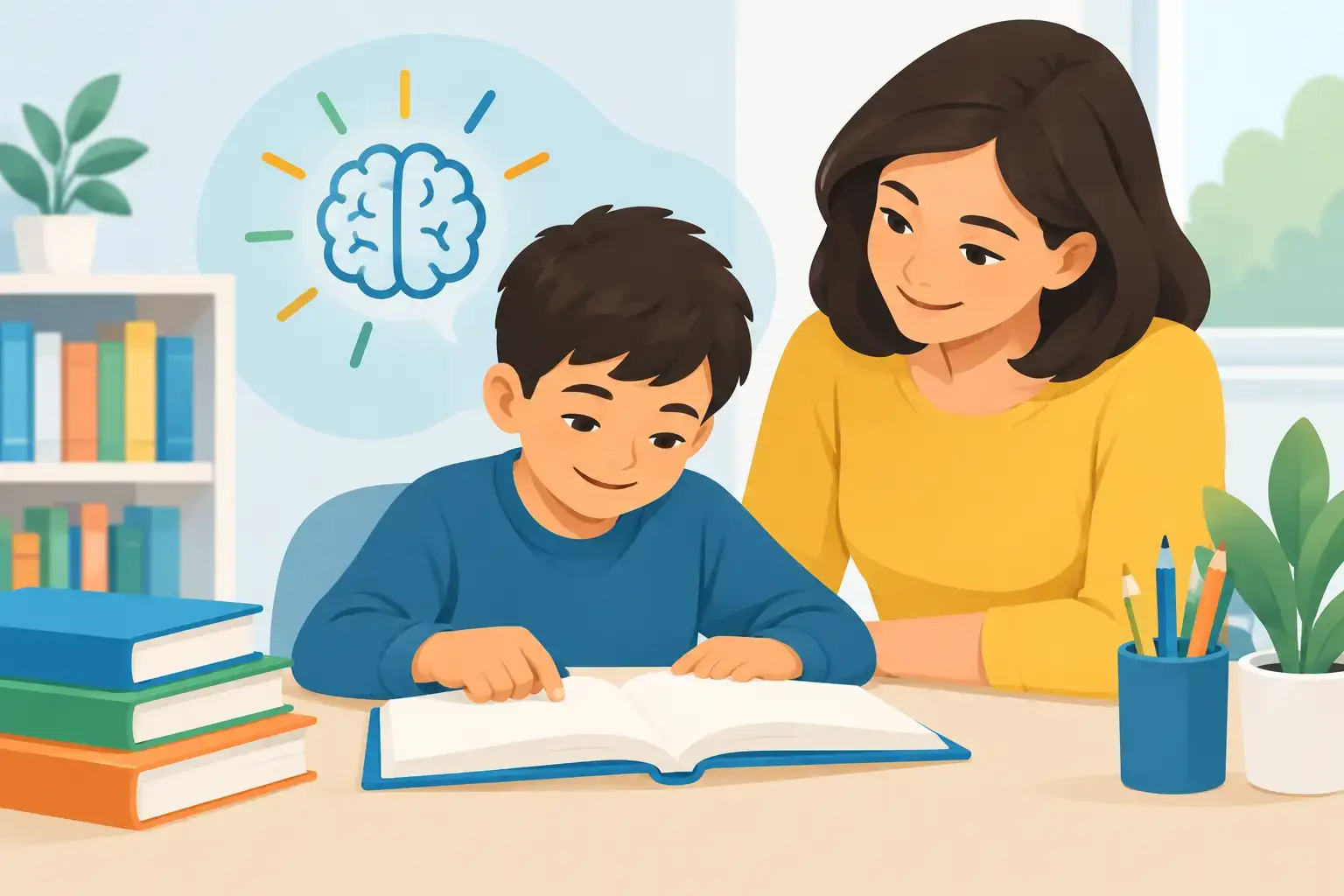
A child who avoids reading aloud, guesses at familiar words, or comes home convinced they are “bad at school” does not need more pressure. They need patient support, effective instruction, and adults who see their strengths before they see a struggle. When families, educators, and neighbors work together to help dyslexic young readers, children can grow into capable, confident learners.
Dyslexia affects the way the brain processes written language. It is not a sign of low intelligence, laziness, or a lack of imagination. In fact, many children with dyslexia are deeply creative, observant, and strong problem-solvers. Reading may take more time and targeted practice, but every child deserves the tools and encouragement to move forward.
Start With Understanding, Not Assumptions
Dyslexia can look different from child to child. One student may have trouble connecting letters to sounds. Another may read slowly, reverse letters at times, struggle to spell, or find it difficult to remember a sequence of sounds. A child may understand a story perfectly when it is read aloud but have a hard time decoding the words on the page.
These challenges can be frustrating, especially in elementary school, when reading is part of nearly every subject. A child who works twice as hard to read a worksheet may begin to hide their difficulties, avoid homework, or act out in class. That response is not a character flaw. It can be a signal that learning has become discouraging.
Parents and caregivers do not need to diagnose dyslexia on their own. If concerns continue, speak with the child’s teacher, school reading specialist, counselor, or pediatrician. Ask what the school is observing, what reading assessments have been used, and what support may be available. Early attention can make a meaningful difference, but children can benefit from appropriate instruction at any age.
Use Reading Support That Builds Skills Step by Step
Children with dyslexia often benefit from structured literacy instruction. This approach teaches reading clearly and directly, rather than expecting children to pick up patterns through exposure alone. It connects letters and letter groups with sounds, then helps students blend those sounds into words.
A strong reading lesson may include phonemic awareness, phonics, vocabulary, reading fluency, spelling, and comprehension. It is often multisensory, meaning children may say sounds aloud, trace letters, move tiles, clap syllables, or write words as they learn. Using more than one sense can help reinforce the connection between a sound, a letter, and a word.
Progress may not be quick or perfectly steady. A child may read a word correctly one day and struggle with it the next. That does not mean the lesson failed. Repetition gives the brain time to build dependable pathways. Consistent practice, taught in manageable steps, is more helpful than rushing through material.
Keep Practice Short and Positive
Long reading sessions can leave a struggling reader exhausted. For many young children, 10 to 20 focused minutes is more productive than an hour filled with frustration. Choose a calm time of day, remove distractions when possible, and end before the child feels defeated.
Read together often, even if your child is not ready to read independently for long stretches. Take turns reading pages, echo-read a sentence after you read it first, or let your child follow along as you read aloud. Audiobooks and read-alouds also count. They build vocabulary, background knowledge, and a love for stories while decoding skills continue to develop.
Praise specific effort instead of offering only general encouragement. Rather than saying, “Good job,” try, “You kept working through that long word,” or, “I noticed you sounded out each part before you guessed.” Specific praise teaches children that growth comes from strategies and persistence.
Help Dyslexic Young Readers Protect Their Confidence
Reading struggles can affect much more than grades. Children may compare themselves to classmates, feel embarrassed when called on, or believe that everyone else learns more easily. Adults can interrupt that harmful story by speaking about dyslexia with honesty and hope.
Explain that brains learn in different ways. Some children need extra support with reading, just as other children may need extra support with vision, speech, attention, or math. Avoid describing a child as “behind” in front of them. Focus on the skills they are building and the next step they can take.
Make room for their strengths, too. A child who finds reading difficult may shine in art, sports, building, music, kindness, leadership, science, or storytelling. Those abilities are not distractions from academic growth. They are part of a child’s identity and a source of confidence that can carry them through difficult work.
It also helps to give children choices. Let them select books about animals, superheroes, mysteries, skateboarding, cooking, or a topic they already love. Choose high-interest books at an accessible reading level. There is no prize for forcing a child through a book that makes them feel small.
Partner With Teachers and Ask Clear Questions
Families are powerful advocates, and teachers are valuable partners. A respectful conversation can create a more consistent support system between home and school. Share what you notice at home, including which tasks cause frustration and which strategies seem to help.
Ask whether the child can receive accommodations that allow them to show what they know while reading skills are developing. Depending on the student and school, helpful supports may include extra time, directions read aloud, audiobooks, reduced copying demands, a quieter testing space, or opportunities to answer verbally.
Accommodations are not shortcuts. They remove unnecessary barriers so a child can participate in learning. A student who needs text read aloud for a social studies assignment can still think deeply, contribute ideas, and learn the content. At the same time, targeted reading instruction should continue so they can strengthen foundational skills.
If your child receives specialized services or has an education plan, keep records of meetings, assessments, goals, and progress. Come prepared with questions and examples. You know your child’s daily experience, and your voice belongs in every conversation about their education.
Make Reading Accessible Beyond the Classroom
A child’s reading growth should not depend on whether a family can afford tutoring, books, technology, or a quiet study space. Educational opportunity is a shared responsibility. Communities can help by supporting school libraries, after-school tutoring, literacy programs, and family learning events.
Volunteers can listen to a child read without judgment. Donors can help provide books, school supplies, and individualized academic support. Community partners can create welcoming spaces where children receive homework help and see that adults believe in their potential. These practical forms of support matter because they tell children, “Your education is worth investing in.”
At You’re All That Inc., we believe every student has the right to learn and the right to feel proud of who they are becoming. Tutoring and educational essentials work best when paired with encouragement, consistency, and a community that refuses to let a child’s needs go unseen.
Remember That Progress Has Many Forms
A child’s success is not measured only by how quickly they finish a chapter book. Progress can mean reading one more sentence without help, learning to use a decoding strategy, raising a hand in class, or choosing a book voluntarily for the first time in months.
Some children will need intensive support from trained specialists. Others will make steady gains through classroom instruction, tutoring, and practice at home. What works depends on the child, the quality of instruction, and the support available around them. There is no single timeline that defines success.
Keep showing up with patience. Celebrate the small wins that others may miss. When a young reader learns that difficulty is not the same as failure, they gain more than reading skills - they gain the confidence to keep trying, and that confidence can change the path ahead.