


What School Supplies Teachers Need in Class
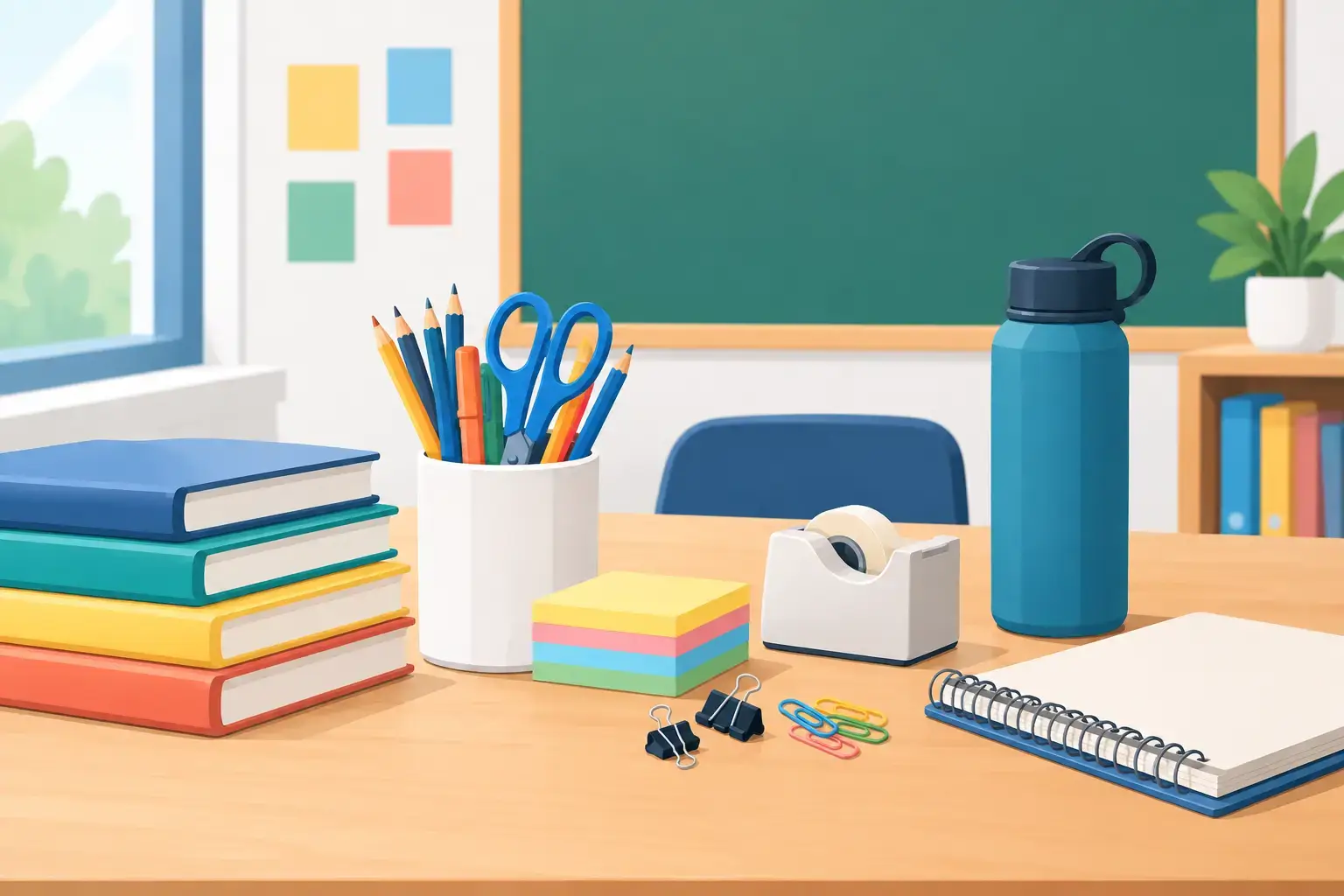
A classroom can feel different the moment a child walks in. A sharpened pencil, a notebook with clean pages, a labeled folder, and a caring teacher ready to begin can tell a student, "You belong here. Your learning matters." Understanding what school supplies teachers need is about more than filling a cart at the start of the school year. It is about giving educators the tools to create steady, welcoming spaces where every child can participate with confidence.
For many teachers, especially those serving communities with limited resources, classroom supplies are not extras. They are the everyday building blocks of learning. When supplies run short, teachers often reach into their own pockets or spend valuable class time finding workarounds. Families, donors, volunteers, and community partners can help ease that burden with thoughtful support.
What school supplies teachers need most
The best supply list depends on a teacher's grade level, subject, classroom routines, and the needs of individual students. A kindergarten teacher may need washable markers and picture books, while a middle school math teacher may need graph paper, rulers, and dry-erase materials. Still, a few categories matter in nearly every K-8 classroom.
Writing tools are used constantly. Pencils, erasers, pens, crayons, colored pencils, markers, highlighters, and dry-erase markers disappear quickly because they are shared, misplaced, used up, or sent home with students. Teachers also need pencil sharpeners, storage containers, and refills to keep these essentials ready for the next lesson.
Paper supplies are equally vital. Lined notebook paper, composition books, spiral notebooks, folders, binders, index cards, sticky notes, printer paper, and construction paper support everything from daily practice to family communication and creative projects. A child who does not have a notebook should not have to sit out a writing activity. Having extras available protects both learning time and a student's dignity.
Organization tools help a classroom run calmly. Labels, file folders, clipboards, pocket charts, calendar materials, bins, book boxes, and simple seat sacks help teachers manage student work and make supplies easier to access. These items may not seem exciting, but they reduce distractions and help children build routines that support independence.
Classroom supplies are not the same as student supplies
Back-to-school drives often focus on individual student kits, and those kits matter. Backpacks, notebooks, folders, pencils, glue sticks, scissors, crayons, and calculators can help a child begin the year prepared. But teachers also need shared classroom supplies that can serve every student throughout the year.
That distinction is especially meaningful for families facing financial hardship. A teacher with a well-stocked classroom can quietly provide a replacement pencil, folder, or pair of headphones without calling attention to a child's circumstances. The goal is not simply to hand out supplies. It is to remove small but real barriers that can interrupt a child's ability to learn, create, and feel included.
Teachers may also need materials that support different learning styles. Headphones are useful for reading programs, language practice, and focused computer work. Manipulatives such as counting cubes, fraction tiles, number lines, letter cards, and magnetic shapes can make math and literacy lessons more hands-on. Age-appropriate books give students opportunities to see themselves, their families, and their hopes reflected in what they read.
Supplies that make a real difference all year
When a community wants to support a classroom, the most helpful gifts are often practical, replenishable, and easy for students to use. Consider these high-impact needs:
- Pencils, erasers, glue sticks, scissors, crayons, markers, and colored pencils
- Notebooks, folders, composition books, loose-leaf paper, index cards, and sticky notes
- Tissue boxes, hand sanitizer, disinfecting wipes, bandages, and reusable water bottles
- Headphones, charging cords, batteries, printer paper, and dry-erase marker refills
- Storage bins, labels, book bins, pencil pouches, and basic classroom organizers
Cleaning and comfort supplies deserve attention, too. Tissues, wipes, hand sanitizer, soap, bandages, and menstrual products can keep students comfortable and ready to remain in class. A small snack supply may also help in schools where children arrive hungry or need extra support during after-school tutoring. These needs are deeply connected to learning, even if they do not look like traditional school supplies.
Ask before you give
Generosity is most powerful when it meets a real need. Before hosting a drive, purchasing a large number of items, or asking neighbors to donate, connect with teachers, school staff, or local education organizations. A classroom may have plenty of crayons but no headphones. Another may need bilingual books, adaptive scissors, sensory tools, or refillable water bottles.
This simple step prevents waste and respects teachers as the experts on their students. It also helps donors make the most of every dollar. A set of requested dry-erase markers may support daily lessons for months, while an unrequested item may sit unopened in a closet.
Quality matters, but it does not always mean buying the most expensive brand. Durable folders, washable markers, comfortable headphones, and sturdy backpacks often last longer and reduce the need for replacements. At the same time, a teacher may prefer basic supplies because children need many of them. The right choice depends on the classroom, so a clear wish list is often better than guessing.
Support the teacher, not just the first day of school
School supply needs do not end after August or September. Glue dries out. Pencils vanish. Notebooks fill up. Art projects, testing periods, tutoring sessions, and winter classroom resets all create new needs. Supporting teachers throughout the year shows children that their community has not forgotten them after the first bell rings.
Families can check in with teachers during conferences or through school communication channels. Local businesses can sponsor classroom restocks, employee volunteer days, or supply collections tied to seasonal events. Community groups can assemble practical kits for teachers and students. Donors can fund flexible supply budgets so educators can respond quickly when a need arises.
At You're All That Inc., we believe educational support should meet children where they are. Tutoring in English and math can strengthen skills, while backpacks, uniforms, and classroom essentials help ensure students have what they need to show up ready to learn. Academic confidence grows when children are supported both inside and outside the lesson.
A well-stocked classroom sends a powerful message
Supplies cannot replace a caring teacher, a safe home, or strong academic support. But they can make those supports easier to access. When a child has paper for an idea, a pencil for an answer, headphones for a reading activity, or a clean folder for completed work, they can focus on the task in front of them instead of what they lack.
The next time you consider what school supplies teachers need, think beyond a checklist. Ask what would help students participate fully, what would save a teacher time and personal expense, and what would make the classroom feel more prepared for every learner. One thoughtful donation, one volunteer effort, or one community supply drive can help turn an ordinary school day into a stronger start for a child.